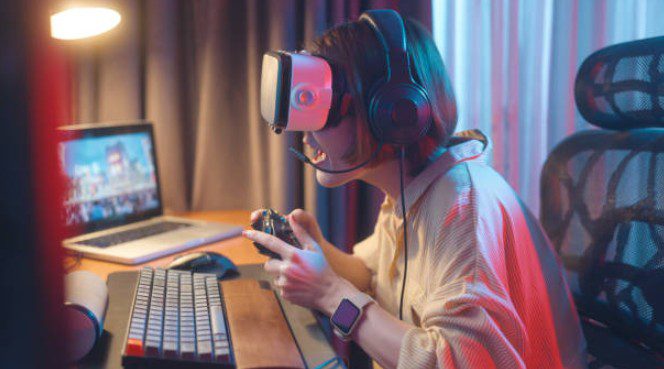
Have you ever asked yourself why online gaming feels like more than just play for so many people?
Online gaming culture is not only about sitting with a phone, console, or computer and passing the time. It is also about people, habits, shared fun, teamwork, small routines, and the way players connect every day. For many people, it feels like meeting friends after a long day, learning new skills, and being part of something lively and social.
When people talk about online gaming culture, they usually mean the style, behaviour, and shared habits that grow around online games. It includes how players talk, how they team up, how they celebrate progress, and how they make gaming part of daily life. Once you understand this side of gaming, it becomes easier to see why it matters to so many people.
1. Online Gaming Is A Social Space
Online gaming culture starts with people. A lot of players do not log in only for matches or missions. They also come for conversation, laughter, teamwork, and that familiar feeling of seeing the same names again and again.
This is why gaming often feels like a social hangout. People play after work, after classes, or during free time just to relax with others.
Why The Social Side Matters
When hoki22 players join online games, they often build small circles. Some meet new friends. Some play with cousins, classmates, or office friends. Some enjoy being part of a regular group that plays at the same time each week.
This social side makes gaming culture feel warm and active. A player may remember a fun late-night match, a silly team moment, or a voice chat full of jokes even more than the actual score. In simple words, online gaming is often about shared time, not only play.
2. Every Game Has Its Own Style And Habits
One useful thing to understand is that online gaming culture is not the same everywhere. Each game usually has its own tone, pace, inside jokes, and way of doing things.
Some games feel fast and loud. Some feel calm and planned. Some are all about teamwork, while others feel more personal and creative.
Players Learn The Mood Of A Game
After spending time in one game, players slowly learn how people speak, how teams work, and what kind of behaviour fits in. It is a bit like visiting different friend groups. Each one has its own mood.
For example, one mahjong ways 2 game may have players who love quick action and short chats. Another may have people who enjoy long sessions, planning, and building things together. This is why gaming culture is never just one single idea. It changes from game to game and group to group.
That is also why new players often take a little time to settle in. They are not only learning controls. They are also picking up the feel of the place.
3. Communication Is A Big Part Of The Experience
Online gaming culture grows through communication. Players type, speak, react, joke around, and share updates all the time. In many games, clear communication can make the whole session smoother and more enjoyable.
Even simple things like saying hello, giving a quick update, or cheering for a teammate can shape the mood of a match.
Small Conversations Build Stronger Play
A lot of online gaming moments are built on short and simple talk. One player says where to go. Another says, “Nice one.” Someone else laughs after a funny mistake. These small moments create a sense of connection.
This is also where gaming culture becomes more human. You are not just looking at a screen. You are responding to real people with different moods, styles, and ideas. Many players enjoy this because it feels active and shared.
In daily life, people like spaces where they can talk casually and feel included. Online gaming often gives that same feeling. It can be light, fun, and full of energy, especially when the group gets along well.
4. Online Gaming Often Builds Useful Skills
Many people now understand that online gaming can support useful everyday skills. It can help players think fast, pay attention, work with others, and stay patient during long sessions.
This is one reason gaming culture has become such a normal part of modern life. People do not always see it as idle screen time. Many see it as a mix of fun, focus, and teamwork.
Skills Grow In A Natural Way
When people play online games, they often practise decision-making without even thinking much about it. They plan moves, react to changing situations, and adjust when something unexpected happens.
Team-based games can also help with cooperation. Players learn when to lead, when to listen, and when to support others. Strategy games can improve planning. Creative games can support imagination. Fast matches can improve timing and attention.
In simple terms, gaming can sharpen the mind while still feeling relaxed and enjoyable. That is why many players keep coming back. It gives both fun and a sense of progress.
5. Routines, Events, And Shared Moments Make It Special
Online gaming culture is also shaped by routine. Many players have fixed times when they play. Some log in after dinner. Some play on weekends. Some join special events with friends. Over time, these habits turn gaming into a familiar part of life.
This regular pattern gives online gaming a strong community feel. People know when others may show up, and that makes the space feel alive.
Shared Moments Stay In People’s Memory
Gaming culture becomes richer when players celebrate small wins, seasonal events, or team progress together. Even a short session can become memorable if the group has a good time.
Sometimes the best part is not the result. It is the feeling of being there together. One funny mistake, one close match, or one surprise moment can become something friends talk about later. That is how online gaming creates stories.
In many homes, this is now very normal. A person finishes work, grabs a snack, sits down, and joins friends online for some time. It feels casual, familiar, and easy to enjoy.
6. Online Gaming Culture Keeps Growing With People
Online gaming culture keeps changing because players keep shaping it. New habits, fresh ways of talking, new styles of play, and creative trends all come from the people who take part in it.
This makes gaming culture feel active and current. It grows through daily use, shared fun, and regular interaction.
Players Help Create The Culture
A game may provide the space, but players give it life. They create team traditions, friendly phrases, shared humour, and personal styles. Some groups become known for their calm teamwork. Some are known for funny voice chats. Some just enjoy showing up and spending time together.
This people-first side is what makes online gaming culture so interesting. It is not fixed. It moves with the players. It changes with age groups, friend circles, and the way people use games in daily life.
In plain words, gaming culture is made by people being people. They play, talk, laugh, learn, and return. That is why it stays fresh and meaningful for so many.
Final Thoughts
Online gaming culture is much bigger than simple play. It includes friendship, habits, teamwork, communication, shared fun, and the little moments that make people smile. Once you look at it this way, it becomes clear why online gaming has such a strong place in modern life.