Understanding Window Tint Percentages
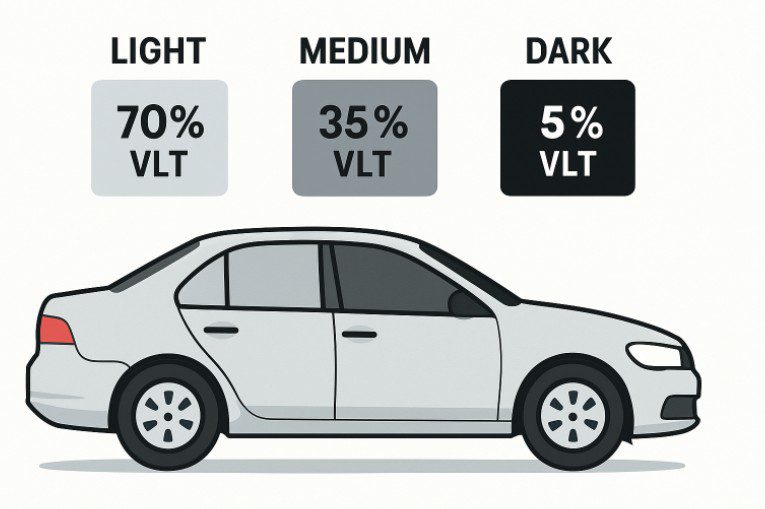
Choosing the right shade for your car’s window tint can significantly improve comfort, privacy, and safety while driving. One of the primary considerations is the tint’s Visible Light Transmission (VLT) percentage. This percentage measures how much light the film allows to pass through the windows. For example, a lower VLT number means less light penetrates the glass, resulting in a darker tint. A 5% VLT provides maximum privacy but can reduce nighttime visibility, while a 70% VLT lets in more light, offering minimal tinting and still helping with heat and UV protection. When selecting a window film, consider ceramic coating for cars in Boynton Beach, FL, which can enhance your vehicle’s window security and durability.
Balancing visibility and privacy is key. While a darker tint may be tempting for privacy or heat reduction, it’s critical to consider how it might affect your ability to see outside, particularly at night or in poor weather. Factoring in your driving habits and local climate is a good way to start narrowing down your options.
Assessing Your Needs
Identifying why you want window tinting is crucial in making the right choice. People often seek window tinting for enhanced privacy, improved comfort on sunny days, UV protection, and glare reduction. If privacy is your top priority, a darker tint (between 5% and 20% VLT) makes it more difficult for outsiders to see inside. To keep your car cooler, especially during hot summer months, opt for high-quality films that reflect or absorb solar energy. Tints also help block up to 99% of UV rays, which can prevent skin damage and slow the fading of your vehicle’s interior. Additionally, reducing glare from sunlight and headlights can significantly improve your driving comfort and safety.
If you are searching for local installation services, looking up automotive ceramic coating near me can connect you with reputable professionals who understand the legal requirements and performance considerations for window film in your area.
Legal Considerations
Before you apply a window tint, it is essential to review your state and local regulations. Window tint laws vary across the United States and even within different cities. These regulations typically specify the minimum VLT percentage allowed for front, rear, and side windows. Some states enable darker tints for backseat and rear windows. In comparison, others require lighter tints for all windows to ensure driver visibility and safety. Penalties for violating these regulations can include fines and the mandatory removal of the noncompliant film. Consulting with a professional installer can help ensure your chosen shade is legal in your area.
Types of Window Tint Films
The material your window tint is made from will impact not only its appearance but also its performance and longevity. Dyed window films are often chosen for affordability and a dark look, though they may fade faster than other options. Metalized films introduce tiny metallic particles to reflect heat, but these can interfere with electronic signals such as GPS or satellite radio. Carbon films provide better heat reduction without signal interference and have a stylish matte finish. Ceramic films are the premium choice, offering superior heat and UV blocking capabilities while maintaining electronic device performance. Understanding these differences will help you select the type of window film best suited to your needs and budget. Resources such as Car and Driver can provide further insights into window tint options and performance.
Matching Tint Shades to Vehicle Type
The ideal tint shade can vary depending on the type of vehicle you drive. Sedans commonly use a medium tint, around 35% VLT, creating a good balance between privacy and outward visibility. Larger vehicles such as SUVs and trucks often benefit from darker tints, about 20% VLT, on rear windows to enhance privacy and reduce interior heat. Sports cars, due to their unique styling and typically lower rooflines, often look best with lighter tints (around 50% VLT), which maximize UV protection while maintaining a refined appearance.
Considering Night Driving
If you frequently drive after sunset or in low-light conditions, it is essential to consider how a dark window tint can affect visibility. Deeply tinted windows reduce the amount of light entering the vehicle, which might impair your ability to see pedestrians, cyclists, and other obstacles at night. Choosing a lighter shade, such as 35% or 50% VLT, balances your need for glare and heat reduction with nighttime safety. This consideration is especially relevant for those living in areas with poor street lighting or who often drive on rural roads. According to a report from the National Highway Traffic Safety Administration, visibility is a key factor in nighttime driving safety, emphasizing the importance of selecting a suitable tint shade.
Professional Installation
Professional installation is vital to ensure your window tint lasts and remains in compliance with local laws. Skilled installers use specialized tools to apply film evenly, minimizing the risk of air bubbles, peeling, or dust getting trapped. Professionals are also familiar with the latest legal standards and can guide you in choosing the right type and shade for your specific vehicle and driving needs. They will guarantee that your new window tint is durable, looks great, and does not interfere with the windows’ functionality or defrosting elements.
Conclusion
Picking the right window tint shade for your car requires balancing legal requirements, personal preferences, and real-world benefits. By understanding VLT percentages, matching your needs to available film types, and seeking advice from reputable professionals, you can enjoy enhanced driving comfort, style, and protection. Exploring trusted resources and service providers in your area is a practical first step to ensure the entire process is smooth from start to finish.