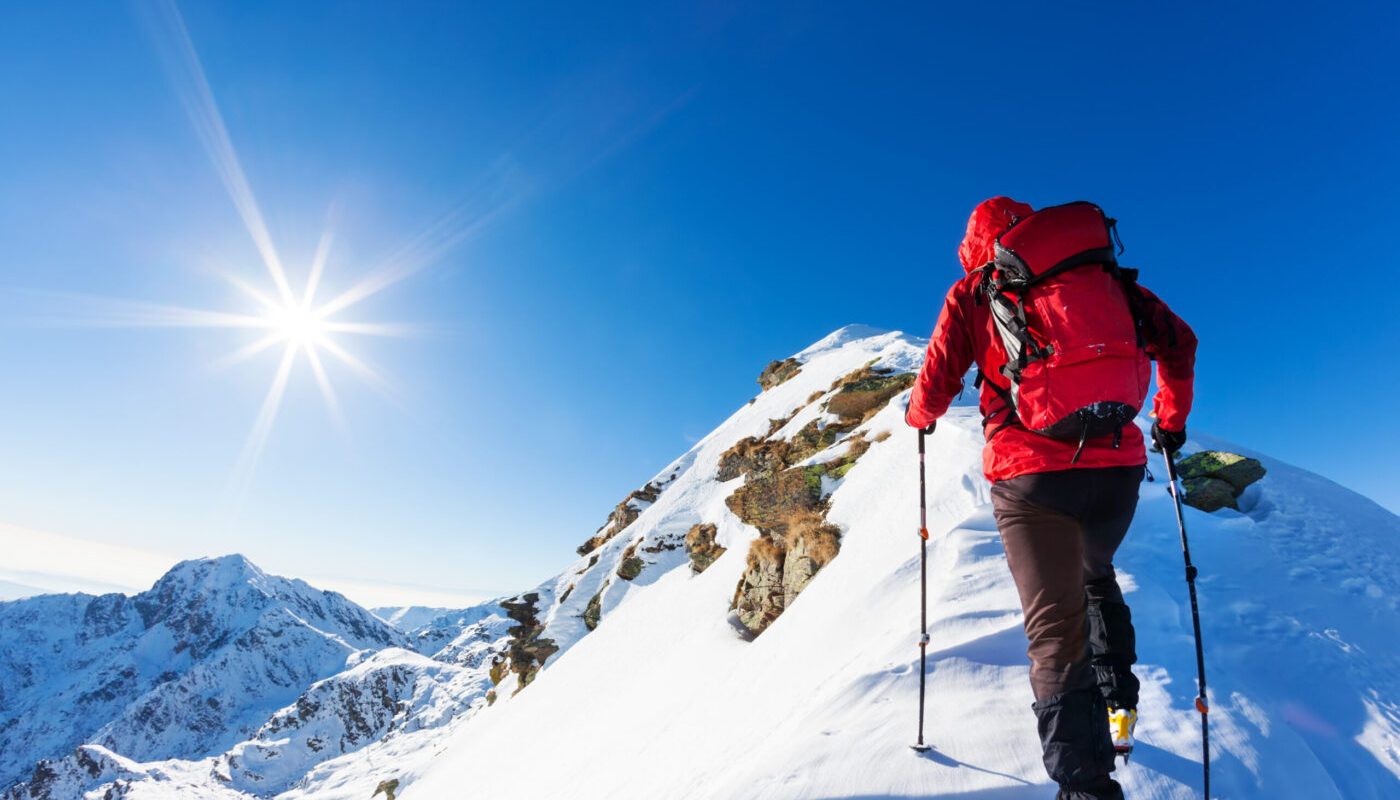
Climbing offers a rare combination of physical challenge, mental focus and adventure. Whether someone spends weekends at an indoor wall, tackles outdoor sport routes or plans ambitious alpine expeditions, the activity can become an important part of their identity. However, it can also make arranging financial protection more complicated. Finding suitable life insurance for climbers can help ensure that a passion for climbing does not prevent individuals from putting meaningful protection in place for the people who depend on them.
Why Climbing Can Affect Life Insurance Applications
Life insurance providers assess risk before deciding whether to offer cover and on what terms. Climbing is often considered differently from many everyday hobbies because the level of risk can vary significantly depending on the type of activity involved.
An occasional indoor climber may present a very different risk profile from someone who regularly climbs remote mountain routes, competes internationally or takes part in high-altitude expeditions. Insurers may therefore ask detailed questions about experience, climbing environments and safety precautions.
Climbers can still obtain cover, although a standard online application may not capture enough detail to secure the most suitable outcome.
The Information Insurers May Ask For
Climbers should be prepared to provide accurate information about their activities. Questions may cover:
- The type of climbing undertaken
- Whether climbing takes place indoors or outdoors
- Typical grades, heights and locations
- The number of climbing days each year
- Qualifications, training and experience
- Use of ropes, helmets and safety equipment
- Whether climbs are guided or independent
- Plans for overseas or high-altitude expeditions
- Previous accidents or rescue incidents
Providing clear answers helps an insurer understand the real level of risk. Incomplete information can cause delays or result in less favourable terms.
It is also important to disclose future plans. Someone preparing for an expedition should not describe their activity only in terms of their usual local climbing if a more demanding trip is already scheduled.
Different Types of Climbing Bring Different Risks
The word “climbing” covers a wide range of disciplines. Indoor bouldering, traditional climbing, sport climbing, mountaineering and ice climbing involve very different environments and hazards.
Indoor climbing is often easier to assess because it takes place in a controlled setting with established safety procedures. Outdoor climbing can involve changing weather, difficult terrain, remote locations and longer rescue times. Higher-risk disciplines may attract increased premiums, exclusions or additional underwriting.
Frequency matters too. An occasional climber may be assessed differently from an instructor, guide or competitor, while recreational and professional climbing may also be treated separately.
An adviser familiar with climbing-related applications can help explain the activity accurately rather than allowing it to be treated as a single broad risk category.
Possible Outcomes When Applying for Cover
Some applicants may receive standard terms, particularly where their climbing is recreational and relatively low risk. Others may be offered cover with an increased premium.
In certain cases, an insurer may apply an exclusion connected to a particular activity. The policy could remain valid for other causes of death but not for an incident arising from the excluded form of climbing. Any exclusion should be checked carefully before the policy is accepted.
An application may also be postponed if a particularly hazardous expedition is imminent, or it may be declined. A decline from one provider does not mean every insurer will reach the same decision, as underwriting criteria vary.
Why the Cheapest Policy Is Not Always the Best
Price matters, but it should not be the only consideration. A low premium can appear attractive until the applicant discovers that the activity most relevant to them is excluded.
Climbers should compare:
- The amount and duration of cover
- Climbing or mountaineering exclusions
- Rules concerning future changes in activity
- The insurer’s approach to overseas climbing
- Definitions within the policy wording
- Additional benefits included
A suitable policy should reflect the applicant’s lifestyle. Paying slightly more for broader protection may offer better value than choosing the cheapest option with a restrictive exclusion.
Choosing the Right Level of Protection
The amount of life insurance needed depends on personal circumstances rather than the applicant’s hobby alone. Relevant factors can include an outstanding mortgage, household bills, childcare costs, education expenses and other financial commitments.
Applicants should consider how long their dependants may need support and whether workplace benefits or savings would be enough. Cover may be arranged for a fixed term, such as the remaining length of a mortgage, or through another structure suited to the individual.
Some climbers may also consider critical illness cover or income protection. These products serve different purposes and have separate underwriting rules, but they can form part of a wider protection plan.
The Importance of Full Disclosure
Climbers should never minimise or omit details because they are worried about higher premiums. Insurance applications rely on accurate disclosure. If important information is withheld, a future claim could be questioned or rejected.
Honesty does not automatically lead to poor terms. Details about training, experience, route selection and safety procedures may demonstrate that the applicant manages risk responsibly.
Applicants should also check the answers recorded on their application before the policy begins and correct any mistakes promptly.
Preparing Before Making an Application
Gathering information in advance can make the process smoother. It can help to note typical climbing frequency, grades, locations, qualifications and future plans before speaking with an adviser or insurer.
It may also be sensible to avoid several speculative applications at once. A targeted approach can help identify providers whose underwriting is better suited to the applicant’s circumstances.
Specialist guidance can be particularly useful for mountaineers, climbing instructors, expedition participants and anyone who has previously been declined or offered cover with a broad exclusion.
Protecting Family Without Giving Up Adventure
Climbing and responsible financial planning do not need to be in conflict. The key is to find cover that reflects the actual activity, provides meaningful protection and is arranged with complete disclosure. By preparing detailed information and comparing policy terms carefully, climbers can make informed decisions without allowing their hobby to define the entire application. Those looking for support with a more complex case can speak with Summit Financial Services to explore suitable options and understand how different insurers may assess their circumstances.